





By: Ahmed Rufa’i
The Executive Chairman of the Jigawa State Internal Revenue Service (JIRS), Dr. Nasiru Sabo, has said the newly implemented national tax reforms are aimed at simplifying tax administration, easing the burden on low-income earners and strengthening voluntary tax compliance in Jigawa State.
Dr. Sabo stated this in Dutse during a sensitisation workshop for religious leaders, vulnerable taxpayers and other stakeholders, organised by JIRS in collaboration with Prime Initiative, with support from Justice Justice at Manpower Development Institute (MDI) in Dutse, the state capital said the participants at the workshop included representatives of the National Orientation Agency (NOA), market associations, media organisations and religious bodies.
According to the JIRS chairman, the engagement was designed to train delegates on the provisions of the national tax reforms, who would in turn educate their members to deepen understanding and compliance across communities.
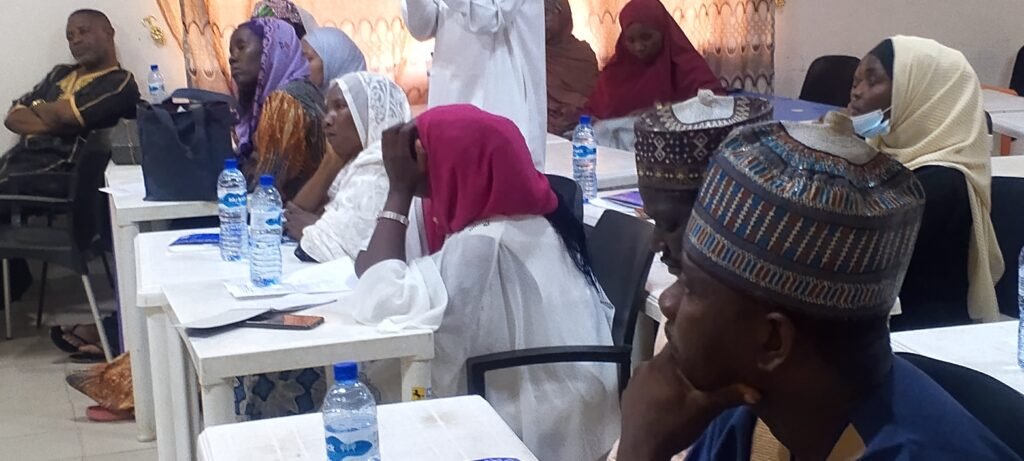
He explained that presentations were delivered on the objectives of the reforms, the roles of religious institutions and the media in tax education, proper record-keeping, as well as the rights and obligations of taxpayers under the new law.
Dr. Sabo disclosed that the reforms, which took effect from January 1, introduced far-reaching changes to the personal income tax structure, with a clear focus on protecting the poor and vulnerable.
“Under the new regime, individuals earning between ₦1 and ₦800,000 annually are exempted from paying personal income tax. This has significantly reduced the burden on low-income earners, while higher income earners now bear a greater share of the tax responsibility,” he said.
He noted that while the previous tax rates ranged from seven to 24 per cent starting from ₦300,000, the new structure applies rates of 15 to 25 per cent only to income above ₦800,000.
The JIRS boss said the state was now directing its tax efforts towards higher net-worth individuals, adding that the reforms were expected to boost internally generated revenue (IGR) without imposing hardship on the less privileged.
On tax administration, Dr. Sabo said the reforms also introduced digitalisation and harmonisation of revenue collection across state and local governments and revenue-generating ministries, departments and agencies.
He explained that the harmonisation process had led to a consolidated tax assessment system, eliminating multiple collections and easing compliance for taxpayers.
Dr. Sabo further revealed that JIRS had fully adopted digital tax collection through the SOFA platform, with manual payment of taxes now prohibited in the state.
He added that efforts were ongoing to strengthen the digital system with features such as automated filing reminders and notifications to taxpayers via mobile phones and email platforms, as well as full automation of the filing process to block revenue leakages.
The JIRS chairman expressed confidence that the sensitisation would translate into improved voluntary compliance and enhanced revenue performance for the state.
He urged participants to serve as ambassadors of the reforms by educating their members on the benefits of compliance in order to support sustainable development in Jigawa State.
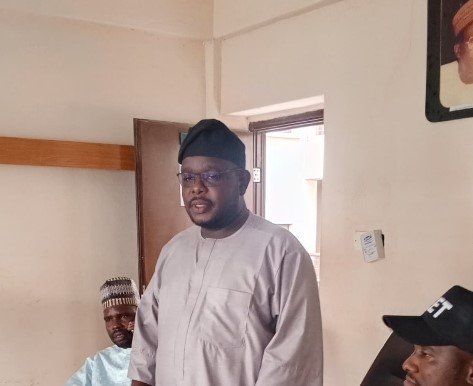
Earlier, the Executive Director of Prime Initiative for Community Development (Tax Justice and Governance Platform), Mr. Muhammed Abdu Dutse, said the training was organised to sensitise religious leaders and vulnerable market groups on tax reforms and proper record-keeping.
He described the programme as a one-day training-of-trainers workshop designed to deepen understanding of tax reforms, highlight the role of religious and market leaders in promoting compliance, and educate participants on taxpayers’ rights, obligations, grievance redress mechanisms and the consequences of non-compliance.
Dutse added that other sessions covered the importance of record-keeping, daily income and expense tracking, practical demonstrations and JIRS grievance redress procedures.
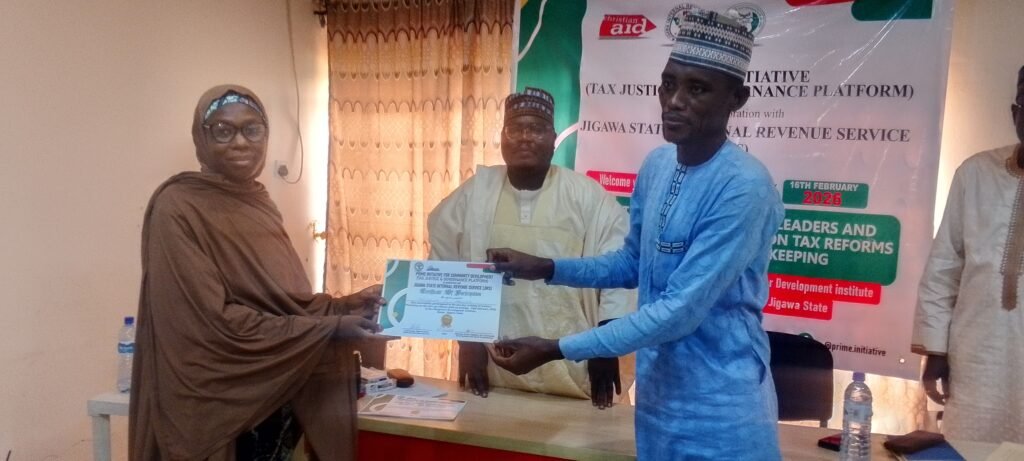
He urged participants to make effective use of the opportunity and actively participate, noting that certificates would be presented to certify them as agents of tax reform sensitisation in their respective communities.