
By: Ahmed Rufa’i
The United Nations Children’s Fund (UNICEF) has called for urgent local action to address the poor state of Water, Sanitation and Hygiene (WASH) services in Primary Healthcare Centres (PHCs) and schools across Kano and Jigawa states.
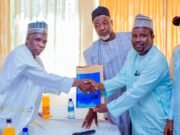
The Chief of UNICEF Field Office, Kano, Mr. Rahama Rihood Mohammed Farah, made the call during a Media and Stakeholders’ Dialogue on WASH services in PHCs and schools in Kano and Jigawa States, held at Tashir Guest Palace.
According to him, only six per cent of health facilities in the two states currently have access to basic water supply, sanitation and hygiene services, a situation he described as alarming and dangerous to public health.
“In Kano and Jigawa states, the situation mirrors the national picture but clearly demands urgent local action,” Farah said.
He noted that handwashing facilities remain largely non-functional, with Jigawa State scoring below the national average in school hygiene infrastructure, thereby exposing millions of children to preventable diseases such as diarrhoea and cholera.
Farah stressed that WASH services are critical in schools and health facilities, which host large numbers of people of different ages, health conditions and physical abilities on a daily basis.
“Clean water, toilets and handwashing stations in schools and health centres are lifelines for children’s health, learning and dignity. Without them, school absenteeism rises especially among girls and infections spread rapidly, undermining the Sustainable Development Goals on education and universal access to WASH,” he said.
He cited the Nigeria 2021 WASHNORM II survey, the most recent comprehensive national assessment, which revealed serious gaps in WASH services across institutions. Nationally, only 11 per cent of schools have access to basic water supply, sanitation and hygiene services, with the situation even worse in rural communities in Northwest Nigeria.
According to UNICEF, poor WASH conditions in the region contribute significantly to high child morbidity, denying children safe environments to grow and thrive.
Farah explained that, with funding support from donors, UNICEF is working with government authorities to improve WASH services in schools and health facilities across the states.
He added that while Jigawa State, and recently Katsina State, have recorded progress towards achieving open defecation-free status, sustained efforts are still required to translate these gains into improved WASH services in schools and healthcare facilities.