






By: Ahmed Rufa’i
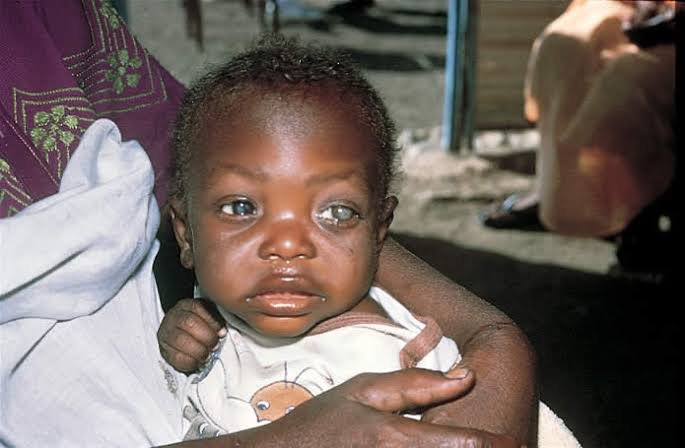
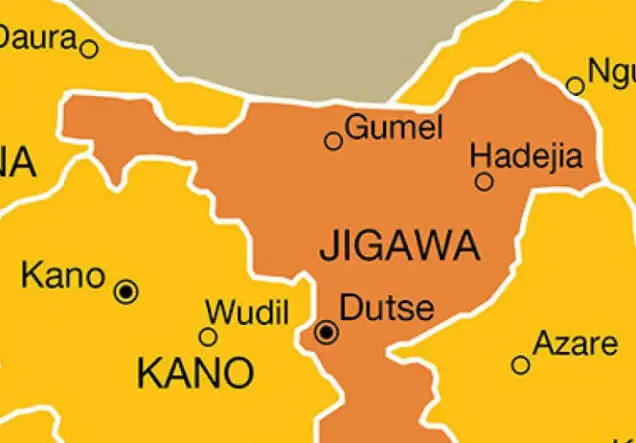
A widening gap between the number of required ophthalmologists and those currently available in Jigawa State has been identified as a major driver of the rising incidence of blindness, particularly among children.
Findings from the state indicate that no fewer than 81,797 cases of eye-related complications were recorded in 2024 alone, underscoring a growing public health challenge largely linked to cataracts and the acute shortage of eye care professionals.
Speaking at a stakeholders’ meeting held at the former COVID-19 Isolation Centre in Dutse and organised by the Health and Development Support Programme (HANDS), the Acting Chairman of the Jigawa State Eye Health Committee, Dr Usman Muhammad, described the manpower deficit as alarming.
Dr Muhammad, who also heads Ophthalmologist Development at the Rasheed Shekoni Teaching Hospital, said World Health Organisation (WHO) standards recommend a minimum of four ophthalmologists and 10 optometrists per one million people.
“With a population of over seven million, Jigawa State requires about 28 ophthalmologists and 70 optometrists to deliver adequate eye care services,” he said.
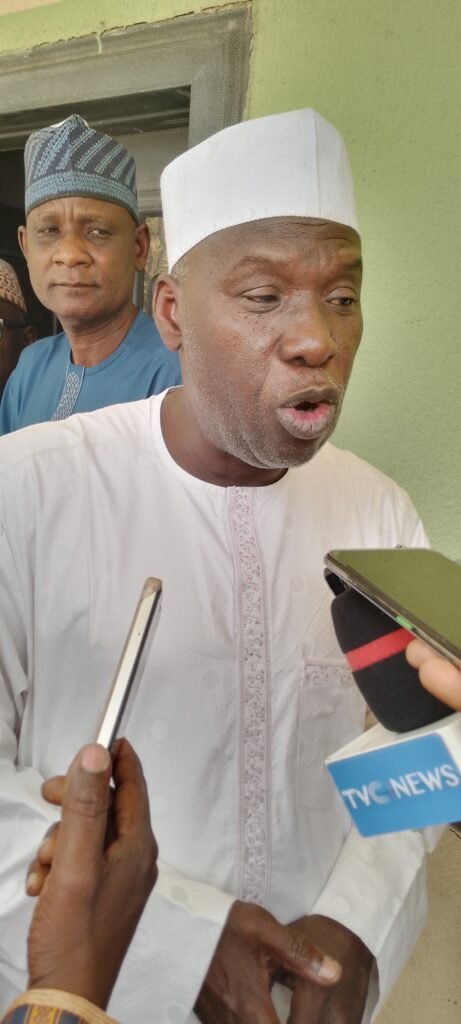
According to him, the reality on ground falls far short of this benchmark. “Presently, across all state and federal health facilities, Jigawa has only three ophthalmologists and three optometrists, with no practising paediatric ophthalmologist or glaucoma specialist in the entire state,” he lamented.
Dr Muhammad noted that the crisis is more pronounced in rural communities. “We attend to no fewer than 50 patients daily, and out of these, 15 to 20 are often found to be totally blind,” he said.
He added that cataracts remain the leading cause of blindness, accounting for about 50 per cent of cases, a pattern consistent with both national and global trends.
“Without a significant increase in the number of eye care specialists, it will be difficult to reduce the backlog of preventable blindness caused by cataracts, glaucoma and other eye diseases,” he warned.
In his remarks, Eye Health Manager at HANDS, Mr Abalis Dasat, attributed the worsening situation to poor access to healthcare facilities, low public awareness of preventable eye conditions and the lack of disability-friendly health infrastructure.
He explained that the HANDS initiative is focused on strengthening the healthcare system to ensure that even people in hard-to-reach areas can access quality eye care services.
Data from the Federal Ministry of Health show that about 24 million Nigerians live with some form of sight loss, while 1.3 million adults are completely blind.
Experts estimate that 84 per cent of blindness in Nigeria is preventable or treatable, but persistent gaps in awareness, funding and specialist care continue to undermine efforts to address the challenge.
Cataracts account for between 43 and 45 per cent of avoidable blindness cases, while glaucoma—often described as the “silent thief of sight” causes about 16.7 per cent and remains the leading cause of irreversible blindness in the country.