




By Ahmed Ilallah
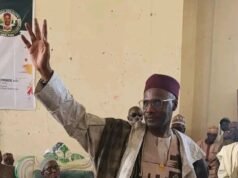
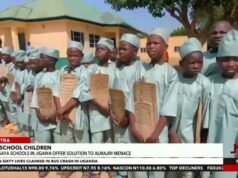
Momentum in Jigawa State, as Dr. Abdullahi Muhammed Kainuwa, Commissioner of Health, spearheads an initiative that has returned 500 children to classrooms and introduced a scholarship program for Persons With Disabilities (PWD).
This intervention comes at a critical time. Nigeria currently faces one of the world’s largest education challenges, with UNICEF reporting in 2025 that 10.2 million primary school-aged children remain out of school nationwide. Of this staggering figure, 16 percent hail from Kano, Jigawa, and Katsina states, with Jigawa alone accounting for 337,861 children.
The Northeast zone of Jigawa, comprising eight local government areas, has been particularly affected, leaving communities grappling with the consequences of educational exclusion.Governor Malam Umar Namadi’s administration has made education a cornerstone of its policy agenda, injecting over ₦3 billion in 2026 to tackle the crisis.
Yet, despite these efforts, experts argue that government action alone cannot solve the problem. Poverty, cultural barriers, and lack of infrastructure continue to push children out of classrooms. Education is not just a government responsibility; it is a collective duty, therefore Communities, philanthropists, and individuals must all play their part. Returning these children to school is about securing the future of Jigawa State.
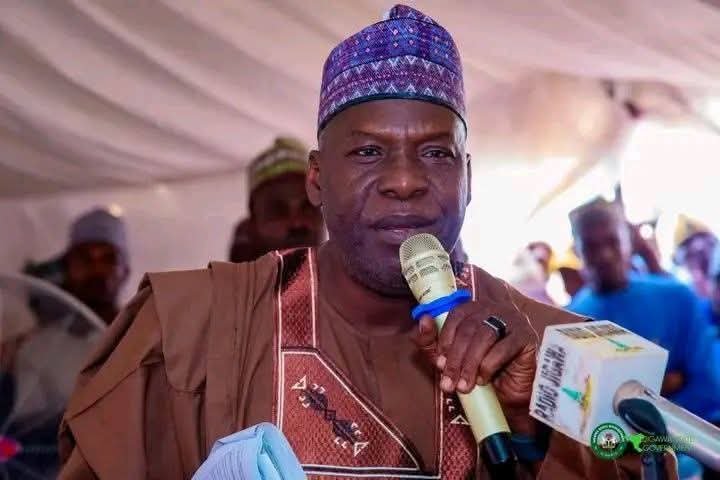
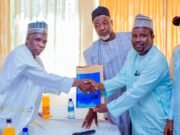
Dr. Kainuwa’s initiative goes beyond mainstream education. His scholarship program for PWD ensures that children with disabilities often the most marginalized in society are supported from primary school through university. This intervention is expected to provide equal opportunities, dismantling barriers that have historically excluded PWD from educational advancement.
Every community leader should hailed the program as a turning point. For too long, children with disabilities have been left behind. “This scholarship is not just financial aid; it is a statement that every child matters.
The program, scheduled to commence on February 1, is expected to serve as a model for other philanthropists and stakeholders. Analysts believe that if replicated across Nigeria, such interventions could significantly reduce the out-of-school population and accelerate progress toward achieving universal basic education. Education experts emphasize that sustained collaboration is key to educational success.
As Jigawa State confronts the daunting statistics of out-of-school children, Dr. Kainuwa’s initiative shines as a beacon of hope. By combining government investment with individual philanthropy, the state is charting a path toward inclusive education and social development.
Though,the challenge remains vast, but with collective responsibility and visionary leadership, Jigawa may yet turn the tide against one of Nigeria’s most pressing social crises.