



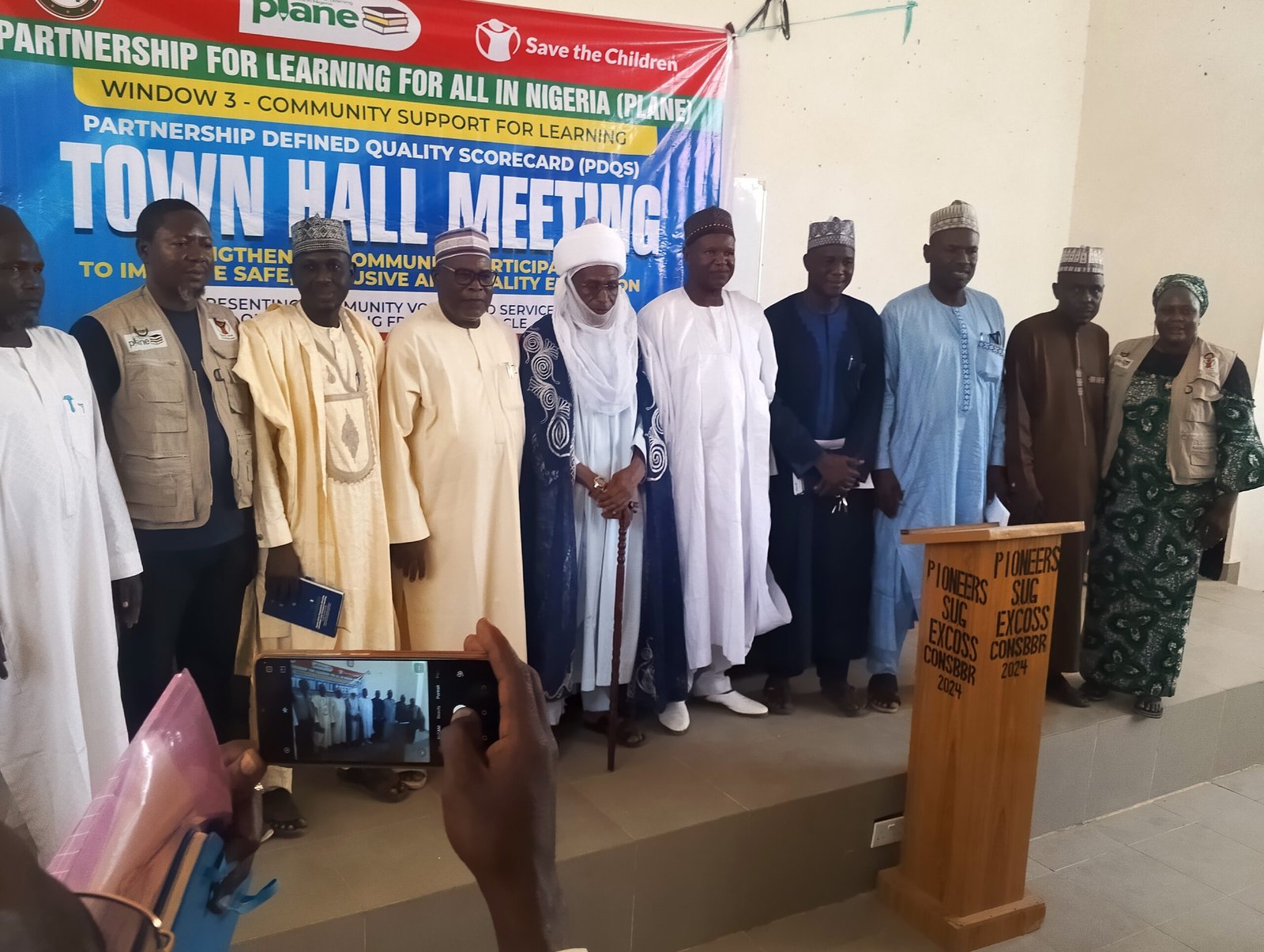
By Ahmed Rufa’i, Dutse
Jigawa State is facing a severe shortage of over 14,000 teachers across its primary and junior secondary schools, even as more than 70 communities press for the establishment of additional junior secondary schools.
The Director of Social Mobilisation at the Jigawa State Universal Basic Education Board (SUBEB), Malam Muhammad Ibrahim, disclosed this during a town hall meeting focused on strengthening community participation in promoting safe, inclusive, and quality education.
The engagement, organised by Save the Children International (SCI), was held in Babura and Malam Madori Local Government Areas.
Ibrahim noted that the state government is intensifying efforts to bridge the gap through the recruitment of qualified teachers on permanent and pensionable terms, alongside initiatives such as the J-Teach programme.
He, however, stressed that the challenges confronting basic education in the state are deep-rooted.
“The issues facing universal basic education in Jigawa are cumulative, spanning decades, and cannot be resolved within the short period of less than three years of the present administration,” he said.
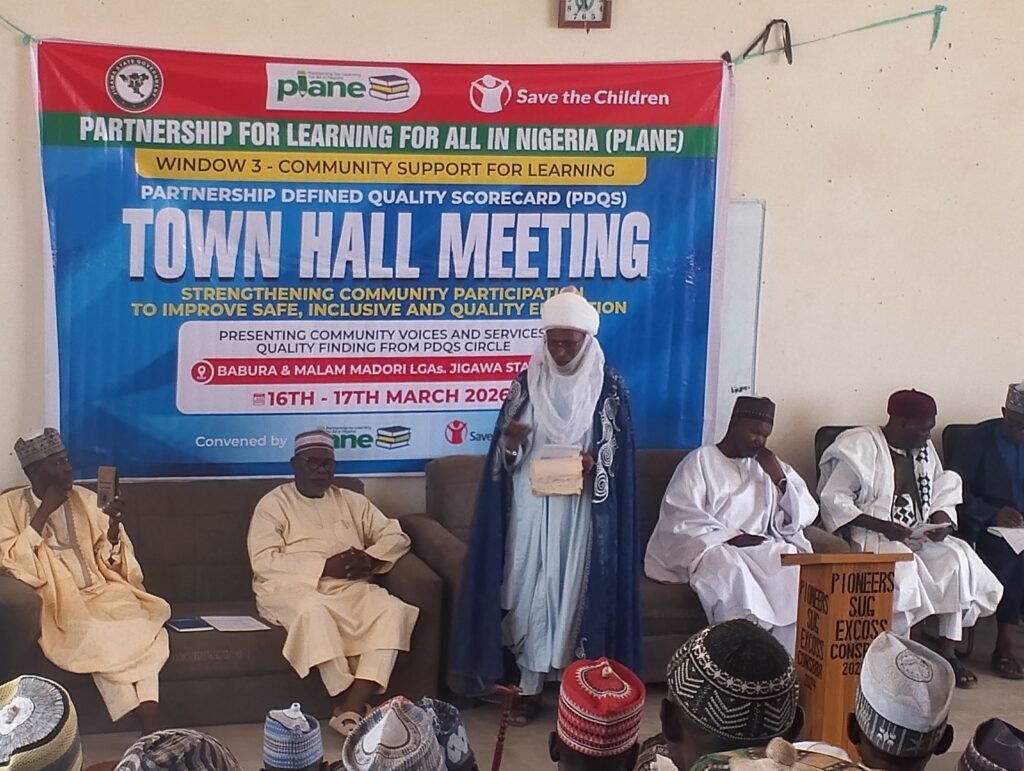
In his remarks, the District Head of Babura, Nata’ala Mustapha, Sakin Bai of Ringim, called on the government to revive Teachers’ Colleges to boost the production of qualified educators.
He observed that such institutions played a critical role in producing competent teachers from the colonial era through the 1990s, linking the current shortage and declining standards to weak teacher training systems.
“The present Colleges of Education are not producing the quality teachers required. Reviving Teachers’ Colleges in Jigawa and across Nigeria is imperative,” Mustapha said.
Also speaking, the Field Manager of Save the Children International in Jigawa State, Mr Stephen Sawa, backed the call for the re-establishment of Teachers’ Colleges, describing them as a faster and more effective means of producing competent teachers.
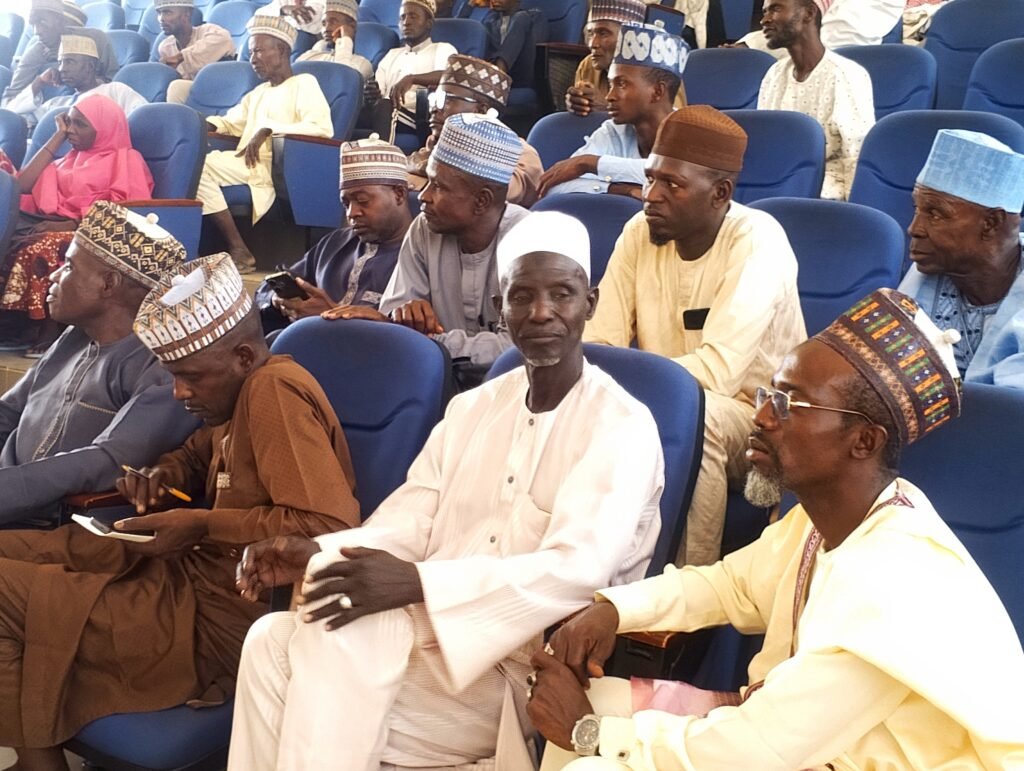
Sawa emphasised the need for stronger collaboration between communities and government to sustain education interventions, warning that dwindling global funding could undermine progress made in addressing the out-of-school children crisis.
He explained that the stakeholders’ meeting was convened to assess progress and develop strategies for sustaining the PLANE programme, funded by the UK Foreign, Commonwealth and Development Office (FCDO), in Kano and Jigawa states.
“The community is an integral part of any education programme. This engagement is to review achievements and outline expectations from stakeholders to sustain these gains,” he said.
Sawa further noted that economic hardship often compels families—particularly during farming seasons—to withdraw children from school to support household income.
Despite the challenges, he described the initiative as impactful in revitalising community participation in education.
“Our approach is community-based learning. It has reawakened the understanding that education is not solely the responsibility of government or donors, but a shared duty that begins with the community,” he added.
He urged stakeholders to sustain ongoing efforts aimed at drastically reducing the number of out-of-school children in the state.