




By: Ahmed Rufa’i
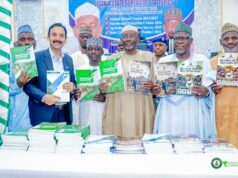
The Jigawa State chapter of the All Farmers Association of Nigeria (AFAN) has convened a high-level peace dialogue between farmers and Fulani herders, aimed at fostering peaceful coexistence, boosting agricultural productivity and strengthening rural security across the state.
The dialogue, which drew stakeholders from the farming and livestock sectors, traditional leaders, Academia and government representatives, was organised to address recurring misunderstandings between farmers and herders, promote awareness of government policies, and reinforce harmony in line with the federal government’s renewed focus on peace-building and economic inclusion.
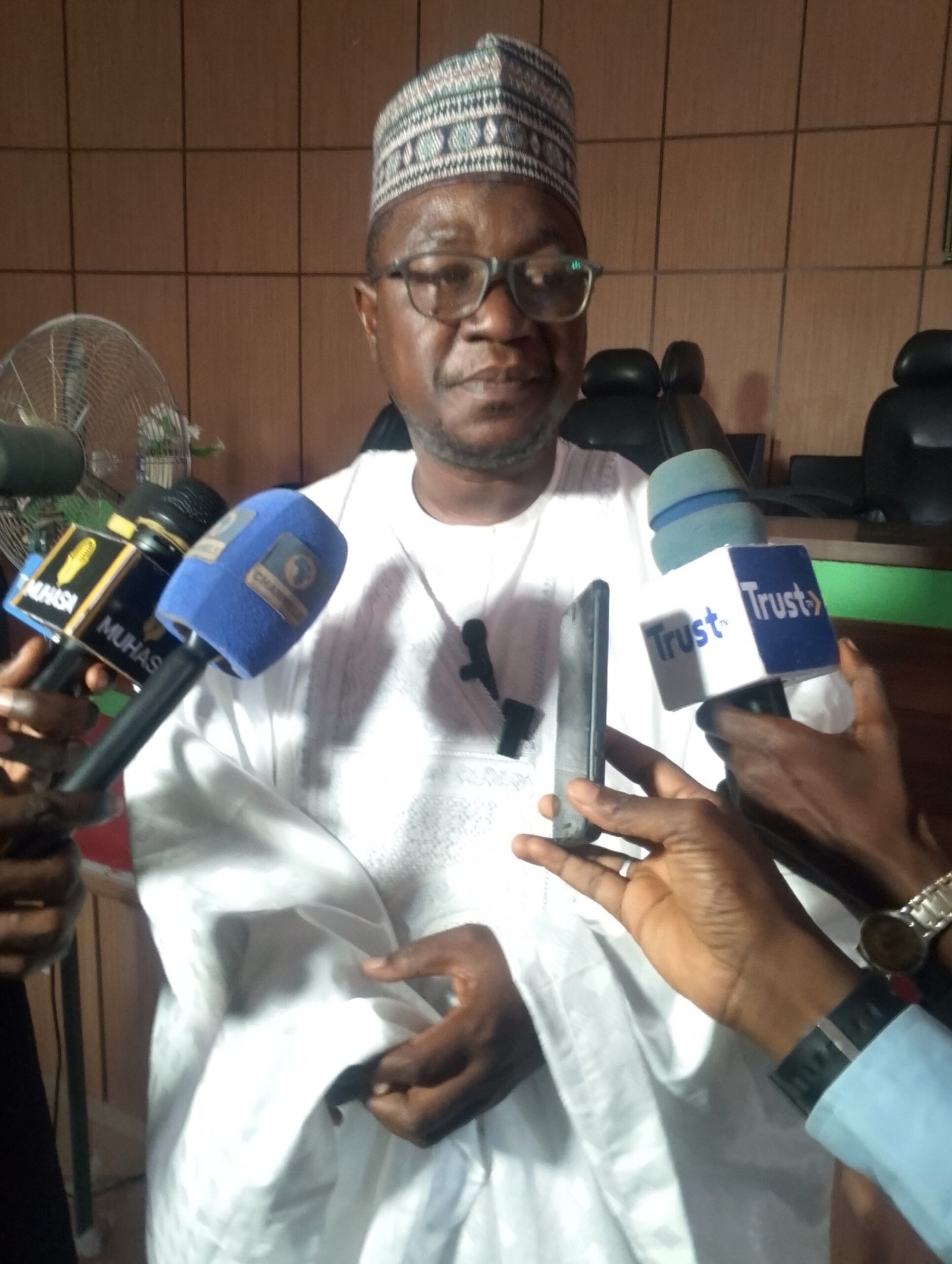
Speaking shortly after the technical session, the Chairman of AFAN in Jigawa State, Engineer Auwalu Garba, lauded the leadership of President Tinubu for prioritising peace and security as critical pillars of the Renewed Hope Agenda.
Eng. Auwalu Garba also commended Jigawa State Governor, Malam Umar Namadi, for translating the national vision into concrete actions at the state level.
According to him, Governor Namadi has consistently demonstrated commitment to the welfare of farmers and livestock rearers, citing the recent Memorandum of Understanding (MoU) signed with the National Institute for Dairy Development (NIDDA) to enhance dairy value chains, including brachylla and lap-lap production, as a major boost to the livestock sector in the state.
“This is a very welcome development. Public safety and security are of paramount importance in Jigawa State. That is why AFAN organised this forum to create awareness among all stakeholders in the farming and herding communities so that we can understand one another and live in peace and harmony,” Garba said.
He noted that peaceful coexistence remains the foundation for sustainable agriculture, stressing that farmers must cultivate their land while herders rear their animals in an atmosphere free of fear and conflict.
The AFAN chairman further applauded the establishment of the Ministry of Livestock Development by the federal and Jigawa state governments, describing it as a landmark achievement and the first of its kind.
He expressed optimism that the ministry would, in the long run, adopt a broader scope to modernise the livestock sector, increase revenue generation and improve livelihoods across the state.
“Jigawa is blessed with enormous potential, especially in livestock. If the sector is properly modernised, it will create more revenue and better quality of life for our people,” he said.
Garba, however, acknowledged challenges faced by farmers, particularly in accessing credit facilities and government grants. He explained that the peace dialogue was also designed to enlighten farmers and herders on existing government interventions and how to benefit from them through compliance with policies and regulations.
On the role of politics in farmers–herders conflicts, Garba attributed many of the crises to ignorance and lack of awareness rather than deliberate provocation. He urged governments and political actors to prioritise sensitization, education and continuous engagement with grassroots communities.
“Our grievances are mostly rooted in ignorance. That is why mobilisation and awareness are key. Many of our youths, especially among herders, are not fully aware of rules and regulations, including forest classifications and grazing guidelines,” he noted.
He added that effective communication remains a challenge, as most farmers and herders spend long hours on farms or in settlements, with limited access to radio broadcasts or social media. This, he said, underscores the need for sustained community-based outreach and dialogue.
The AFAN-led initiative, stakeholders agreed, represents a practical demonstration of the Renewed Hope Agenda at work using dialogue, inclusion and awareness to build lasting peace, strengthen food security and promote sustainable development in Jigawa State and beyond.