

Written By: Ahmed Rufa’i in Dutse
No fewer than 120 persons, mostly women and youth, have been trained and empowered with practical skills under a waste-to-wealth initiative across six communities in three local government areas of Jigawa State, in a move aimed at tackling climate challenges while boosting livelihoods.
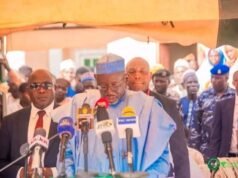
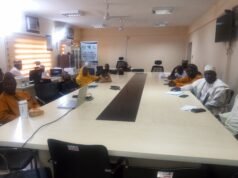
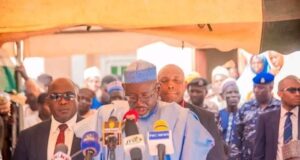
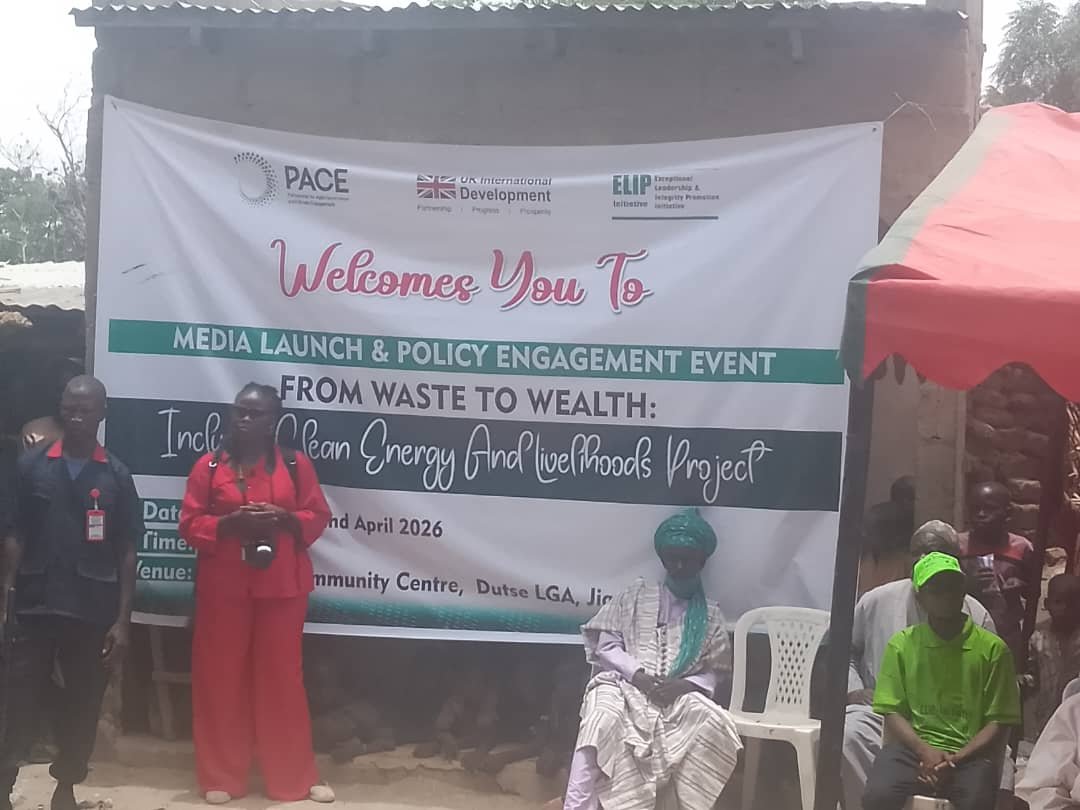
The Project Manager of ELIP’s Waste-to-Wealth Initiative, Comrade Isah Mustapha, disclosed this during a media launch and policy engagement on the “Waste to Wealth (Jigawa Cooking Initiative)” held in Baranda community, Dutse local government area in the state.
The programme was organised by the Partnership for Agile Governance and Climate Engagement (PACE), funded by the Foreign, Commonwealth and Development Office (FCDO), and implemented by the Exceptional Leadership and Integrity Promotion Initiative (ELIP).
Mustapha described the project as a strategic intervention designed to address pressing environmental and socio-economic challenges, including poor waste management, environmental degradation, climate change impacts, and limited access to affordable clean energy.
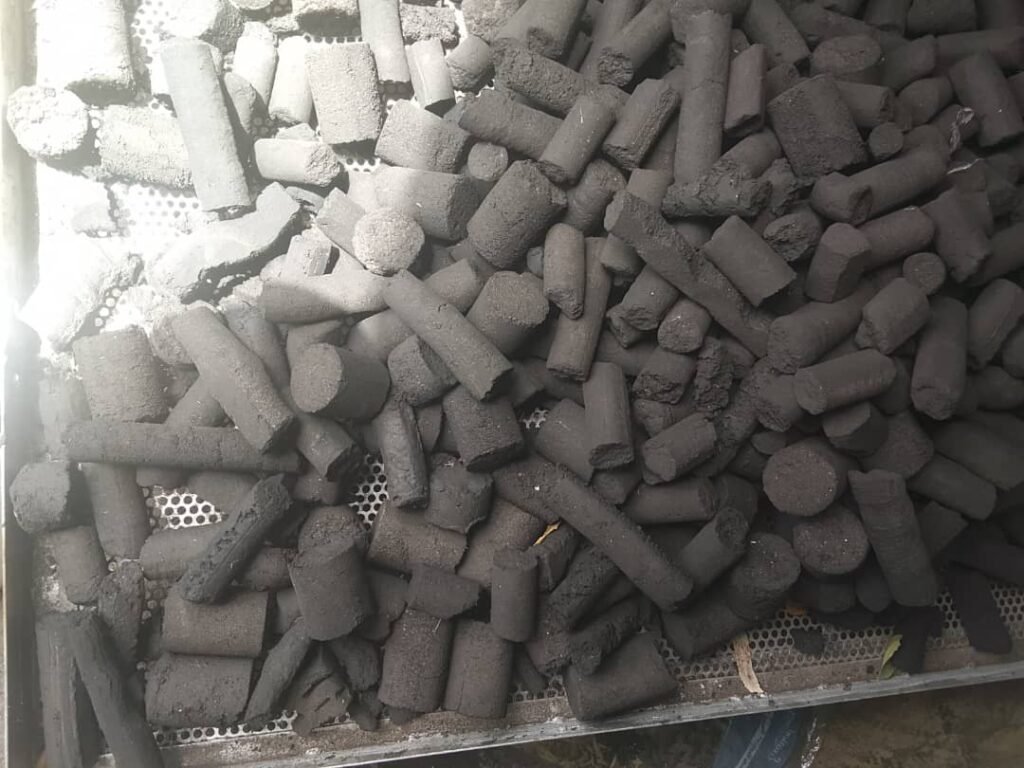
He noted that the initiative is anchored on converting waste into valuable products such as briquettes and energy-efficient cookstoves offering both environmental and economic benefits.
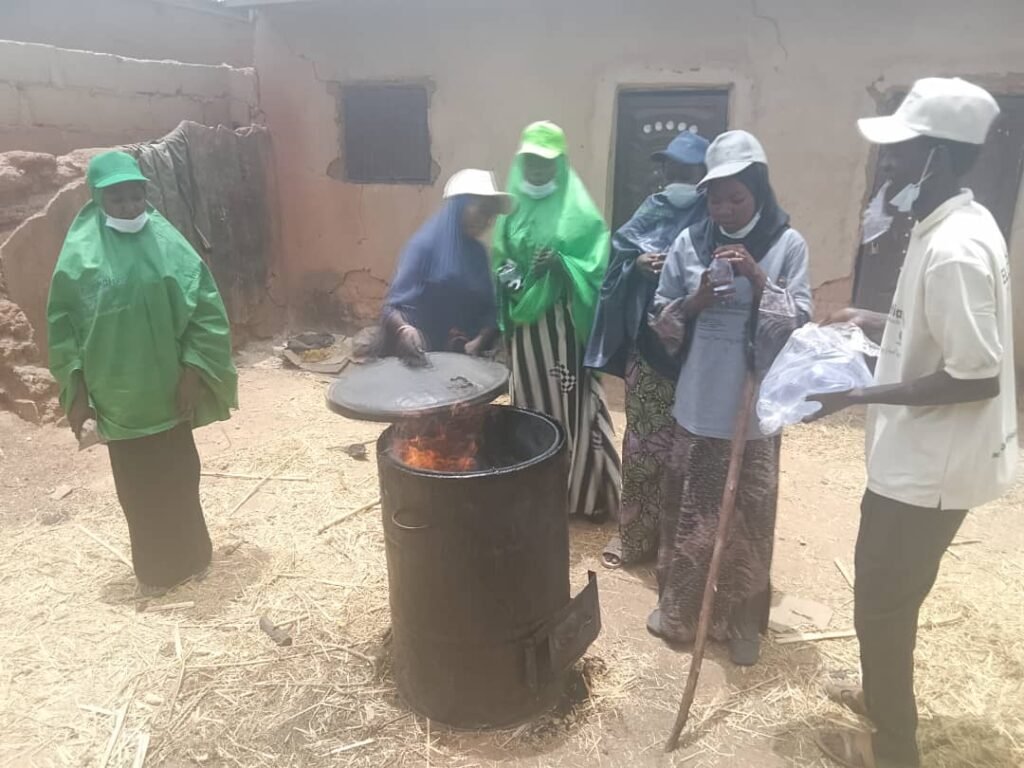
According to him, the project has moved beyond theory to hands-on implementation, with beneficiaries trained in briquette production and clean cookstove fabrication using locally sourced materials.
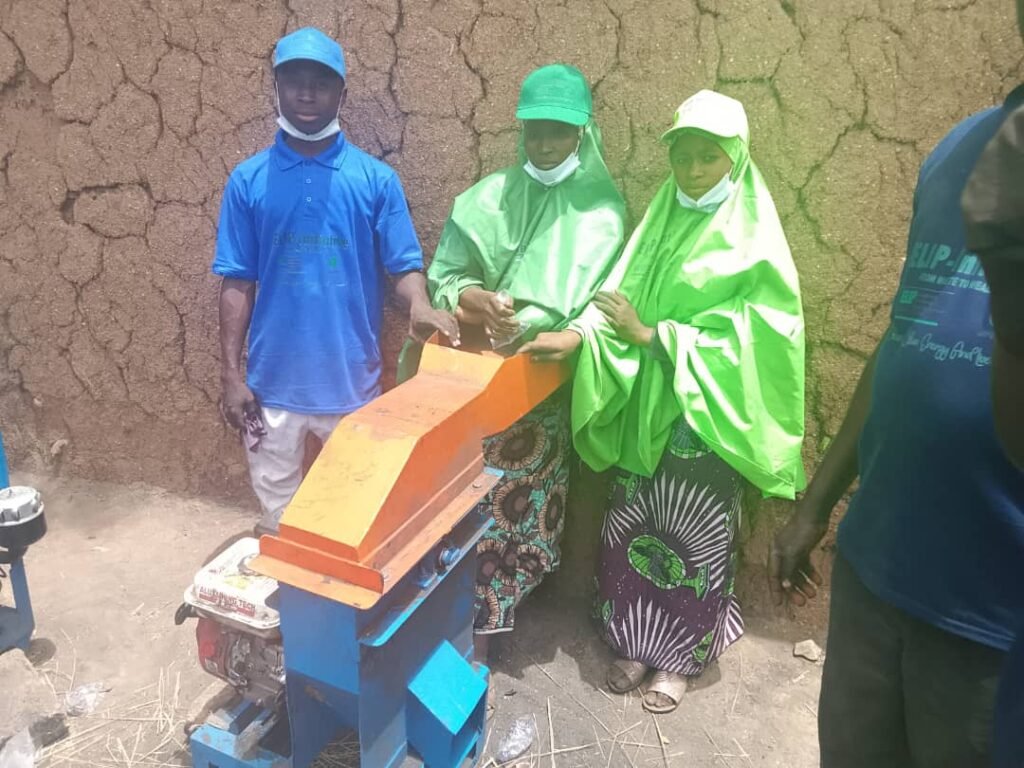
“These are practical, hands-on processes aimed at proving that the solutions are not only environmentally sustainable but also economically viable,” he said.
Mustapha further revealed that six community-based production centres have been established in Baranda and Sakwaya (Dutse LGA), Kiri Kasamma and Turabu (Kiri Kasamma LGA), as well as Ringim and Dabi (Ringim LGA), serving as hubs for innovation and enterprise development.
He added that the centres are fully operational, equipped with tools and starter kits, and managed by organised groups and cooperatives.
“Beneficiaries are no longer just trainees; they are emerging entrepreneurs contributing to a growing green economy,” he stated.
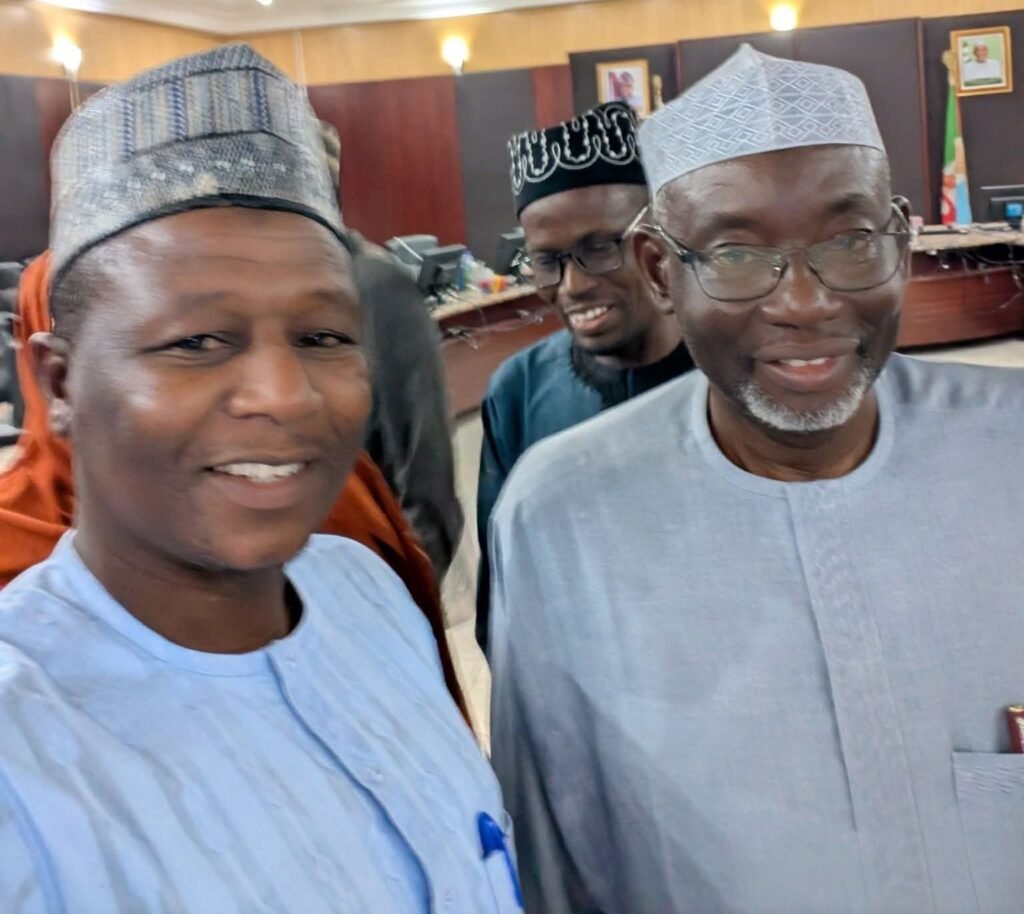
Jigawa State Governor, Malam Umar Namadi, reaffirmed his administration’s commitment to strengthening partnerships that promote clean energy adoption, environmental sustainability, and economic empowerment.
Represented by the Commissioner for Power and Renewable Energy, Engr. Surajo Musa, the governor pledged to scale up the Waste-to-Wealth initiative to other political wards across the state.
“As a government, we are encouraged by the success of this pilot, and we are committed to expanding it across Jigawa to drive inclusive growth and sustainable livelihoods,” he said.
Namadi also emphasised plans to attract private sector participation through climate financing tools promoted under the PACE programme.
He commended the FCDO, PACE, and ELIP for initiating the project and urged beneficiaries to maximise the opportunity to build sustainable sources of income.
Also speaking, the National Team Lead of FCDO-PACE, Mr Ifeanyi Peters Ugwuoke, highlighted the importance of collaboration among communities, government, and the private sector in addressing climate vulnerabilities.
He noted that the initiative is expected to reduce emissions, curb deforestation and flooding, while supporting livelihoods and strengthening resilience in participating communities.
Ugwuoke added that the PACE intervention has already supported climate governance reforms in Jigawa and expressed optimism that ongoing partnerships would deepen climate action, create green jobs, and accelerate sustainable economic development in the state.