

Written By Ahmed Rufa’i in Dutse
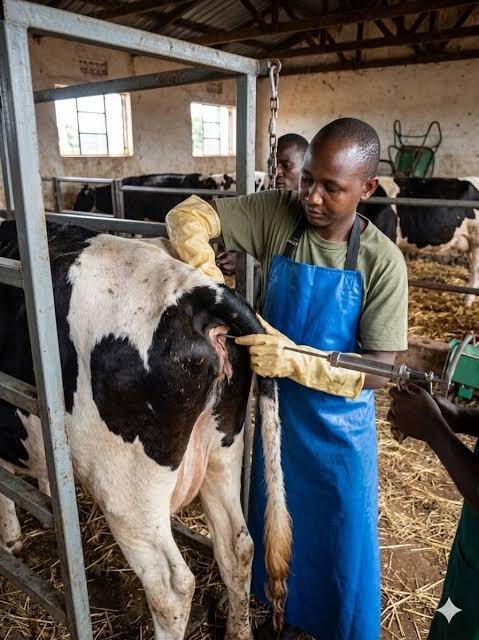
In a bold move to reposition Jigawa as a leading dairy-producing state, the state government has launched an ambitious artificial insemination programme that will introduce improved cattle breeds from the United Kingdom and India to inseminate 25,000 indigenous cattle, with a target of producing over 60,000 genetically improved animals.
The initiative, backed by an investment exceeding ₦7 billion, is expected to significantly increase milk production, create jobs, modernise livestock farming and reduce Nigeria’s dependence on imported dairy products.
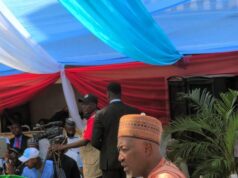
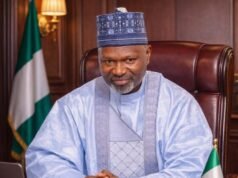
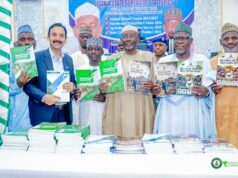
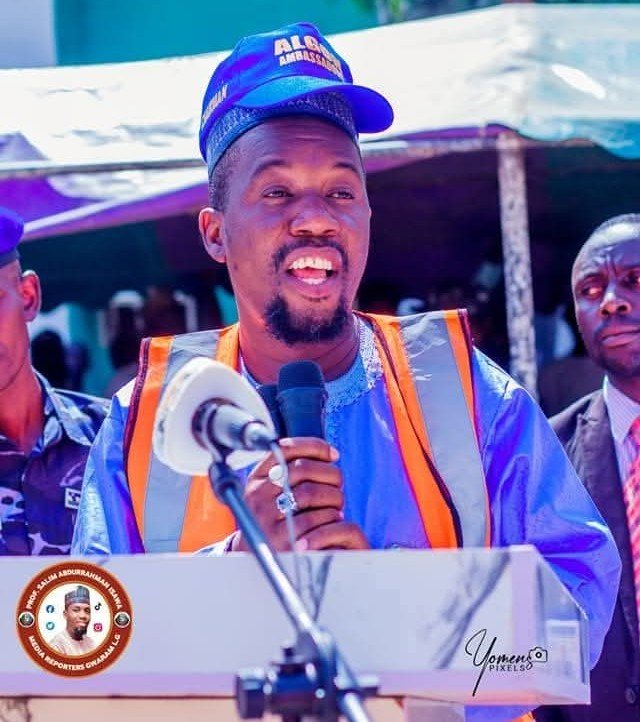
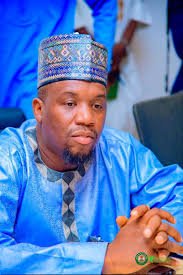
Commissioner for Livestock Development, Prof. Abdulrahman Salim Lawal, unveiled the programme during a one-day sensitisation workshop for Fulani leaders from the 27 local government areas of the state.
According to him, the first phase will commence with the artificial insemination of 6,500 cattle using superior dairy breeds sourced from the UK and India before expanding to cover 25,000 cattle across the state.
He explained that Governor Malam Umar Namadi’s administration is pursuing a livestock transformation agenda focused on quality rather than quantity, stressing that genetically improved cattle would produce far more milk than the existing local breeds.
Lawal disclosed that the programme also includes the restoration of 362 gazetted grazing reserves, where high-yield pasture grasses and legumes will be cultivated to support improved livestock production.
He said about ₦4.5 billion has been earmarked for the rehabilitation of grazing reserves, while another ₦3.3 billion has already been committed to implementing the dairy development programme.
Drawing lessons from India, the commissioner noted that improved dairy breeds there produce between 20 and 40 litres of milk daily, compared to the average output of local breeds in Nigeria.
To sustain the programme, Jigawa will send 13 scientists to India’s National Dairy Development Board in August for intensive training in artificial insemination and dairy management. The experts are expected to return and train 350 youths recruited by the state government as artificial insemination technicians.
He expressed confidence that the initiative would transform livestock production, improve pastoral livelihoods and reduce the frequent conflicts associated with open grazing.
Also speaking, the Managing Director of Ferrado Agro and Bioforms, Mr. Chendu, said his company is partnering with the Jigawa State Government to implement the one-year programme through baseline surveys, digital data collection, animal identification and farmer tracking.
According to him, the intervention aims to increase the average milk yield per cow from about one litre to between eight and 15 litres per day, boosting household incomes, empowering women and youths, strengthening food security and supporting Nigeria’s drive for agricultural and economic diversification.
Agricultural and livestock experts at the workshop described the initiative as a strategic step toward building a modern dairy industry capable of making Jigawa a major hub for milk production in Nigeria.