





By: Truths Finder
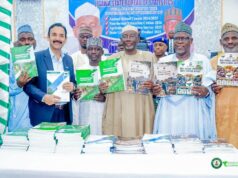
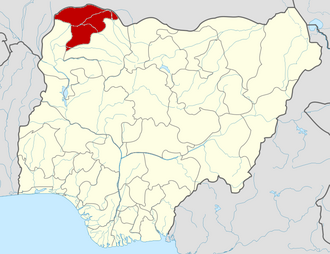
Only 10 per cent of pregnant women in Sokoto State deliver in hospitals or other health facilities, the National Chairman of Civil Society Scaling Up Nutrition in Nigeria (CS-SUNN), Comrade Shuaibu Musa Kafingana, has disclosed.
Kafingana described the situation as a major concern requiring urgent attention from the Sokoto State Government and other stakeholders in the health sector.
He spoke during the Stakeholders Engagement on Nutrition in Sokoto, organised by CS-SUNN Abuja as part of a four-day advocacy programme aimed at drawing attention to critical nutrition and maternal and child health challenges facing the state.
According to him, the organisation decided to engage stakeholders after reviewing available data on nutrition and maternal health in Sokoto, with a view to identifying existing gaps and encouraging stronger government interventions.
“We decided to have a four-day advocacy in Sokoto State where we target various stakeholders and, at the same time, have meetings with them to showcase the available data before us,” he said.

Kafingana said the objective was to ensure that the progress already recorded by the state government was sustained while more attention was directed towards areas where serious gaps remained.
He commended the Sokoto State Government for its cooperation with CS-SUNN over the past 11 to 12 years, particularly in supporting child nutrition programmes and multiple micronutrient supplementation for pregnant women.
He, however, warned that the latest data showed that the state could not afford to relent in its efforts to improve maternal and child health.
Kafingana cited the 2018 Nigeria Demographic and Health Survey (NDHS), which, according to him, put the prevalence of stunting among children in Sokoto at 54.8 per cent.
He explained that stunting, which results from prolonged malnutrition, can have long-term and potentially irreversible consequences for a child’s cognitive and physical development.
He said there was, however, a significant improvement in the latest NDHS, with stunting declining to 42.8 per cent in the 2023/2024 survey.
The CS-SUNN national chairman described the reduction as “highly commendable”, saying it demonstrated that interventions by the state government and other stakeholders were yielding results.
But he said the improvement in stunting was being undermined by rising anaemia among women and children.
“On the other hand, if you look at anaemia cases in pregnant mothers or women of childbearing age, from 15 to 49, it has increased to almost 55 per cent,” Kafingana said.
He explained that anaemia among women could pose serious risks during pregnancy and childbirth because of insufficient blood levels.
The nutrition advocate also disclosed that about 60 per cent of children under five in the state are anaemic, urging the government to intensify interventions to reverse the trend.
He said the combination of high anaemia rates and extremely low skilled birth attendance required urgent and coordinated action by government, development partners, civil society organisations and communities.
Kafingana stressed that the purpose of the stakeholder engagement was not merely to highlight the challenges but to ensure that the available data translated into concrete actions.
He urged the Sokoto State Government to sustain its gains in reducing stunting while giving greater priority to anaemia prevention, maternal nutrition and access to skilled healthcare during childbirth.
He also called for stronger community-level advocacy to encourage pregnant women to attend antenatal care and deliver under the supervision of skilled health personnel.
According to him, improving maternal and child nutrition must remain a collective responsibility if Sokoto is to achieve healthier outcomes for women and children.