




Written By: Ahmed Rufa’i in Dutse
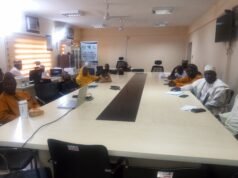
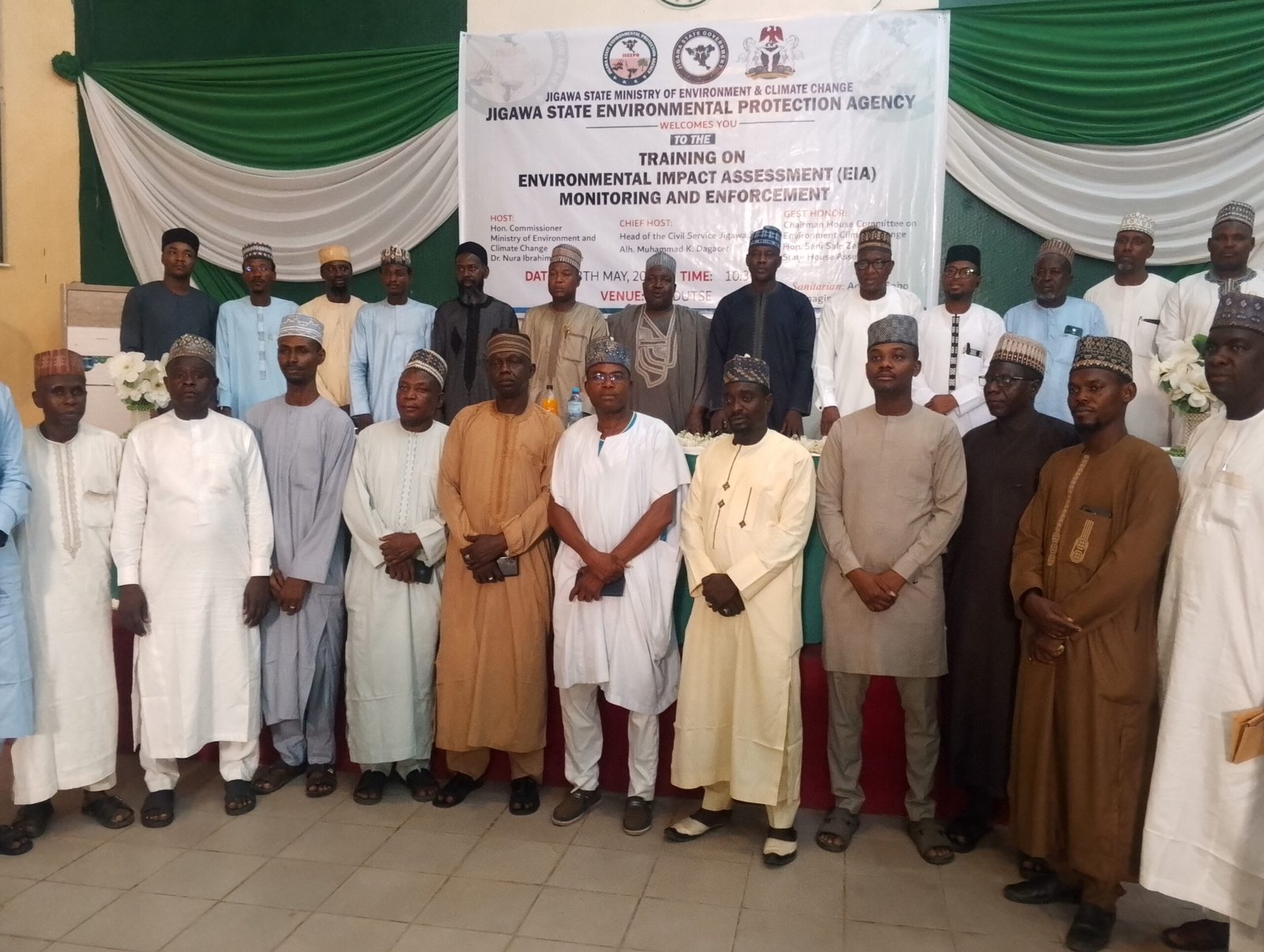
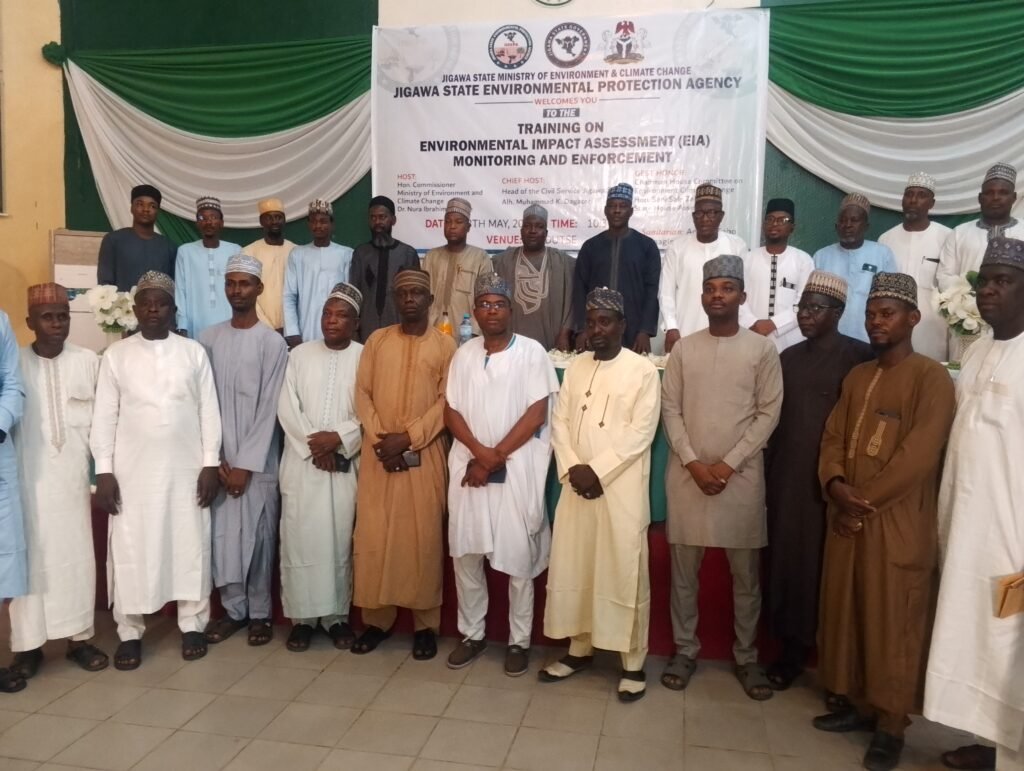
The Jigawa State Government has intensified efforts toward environmental sustainability and climate resilience with the training of 40 environmental focal persons drawn from Ministries, Departments and Agencies (MDAs) on Environmental Impact Assessment (EIA) monitoring and enforcement.
The training, organised by the Jigawa State Environmental Protection Agency in collaboration with the Ministry of Environment and Climate Change, is aimed at strengthening environmental compliance and ensuring that development projects conform with approved environmental standards.
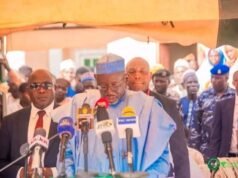
Declaring the workshop open in Dutse, the Commissioner for Environment and Climate Change, Dr. Nura Ibrahim, said the initiative aligned with Governor Umar Namadi’s commitment to sustainable development and climate resilience.
Represented by the Permanent Secretary of the ministry, Alhaji Yunusa Usman, the commissioner noted that environmental sustainability remained one of the 12-point development agenda of the present administration.
He warned that environmental degradation, climate change, flooding, biodiversity loss and over-exploitation of natural resources continue to threaten sustainable growth globally.
According to him, Environmental Impact Assessment remains a critical tool for identifying and mitigating environmental and social impacts before projects are executed.
“Development without environmental consideration is neither sustainable nor beneficial to future generations,” he said.
Also speaking, the Head of the Civil Service, Alhaji Muhammad K. Dagaceri, described environmental protection as a necessity in view of the state’s increasing investments in infrastructure, agriculture, education, roads, water supply and industrial development.
Dagaceri said the training would equip participants with the skills required to monitor contractors and enforce compliance with Environmental and Social Management Plans (ESMPs).
“The responsibility before you goes beyond routine official duties. You are custodians of environmental sustainability within your institutions,” he told participants.
He stressed the need for stronger collaboration among MDAs, particularly between the Ministry of Environment and Climate Change and the Jigawa State Environmental Protection Agency, to ensure effective enforcement of environmental regulations.
In his remarks, Managing Director of the agency, Adamu Sabo, said the state government had made environmental sustainability a key component of its development framework.
Sabo explained that the training was designed to prepare focal persons across MDAs for effective monitoring of projects to ensure strict compliance with environmental policies and standards.
He disclosed that experts from Federal University Dutse were engaged as facilitators for the programme.
According to him, the training is structured into three stages capacity building, stakeholder engagement and continuous monitoring to guarantee long-term environmental compliance across the state.
He added that participants would work collectively to monitor ongoing projects and ensure that environmental safeguards are not compromised.
Sabo, however, identified inadequate collaboration among some MDAs as a major challenge affecting effective environmental monitoring and enforcement in the state.