

Written By: Ahmed Rufa’i in Dutse
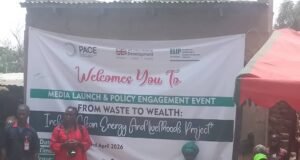
A clean energy initiative designed to tackle deforestation, climate change and unemployment is transforming lives in Jigawa State, with beneficiaries already recording impressive sales and attracting fresh government support for expansion.
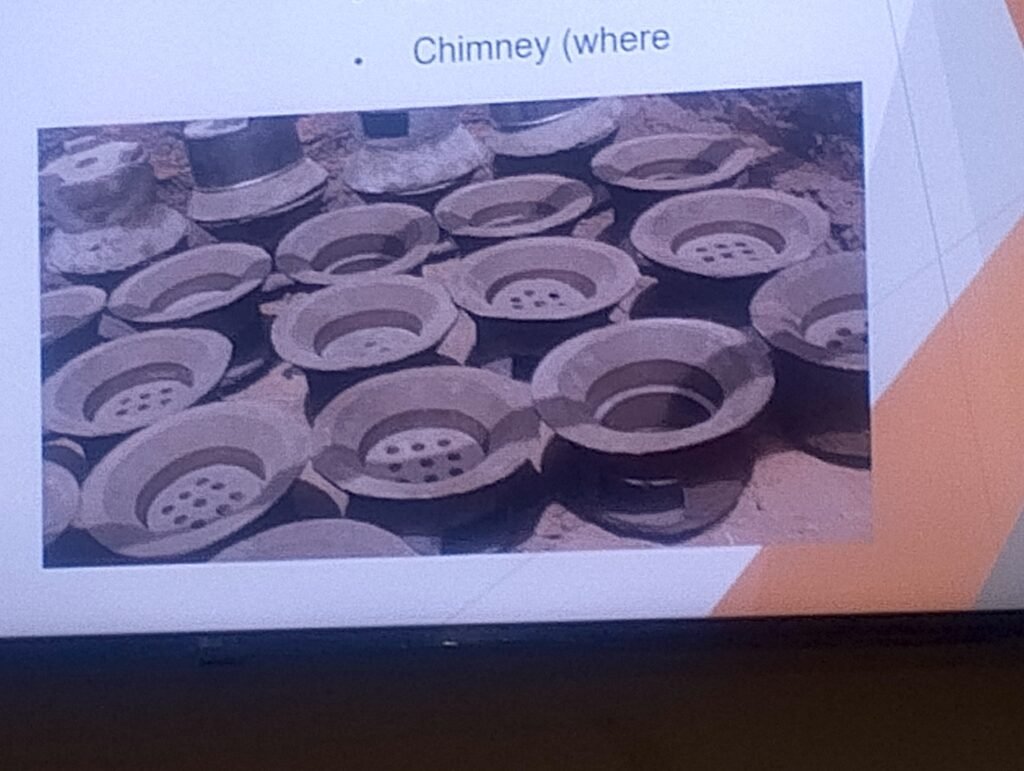
The project, known as the West-West Project, has successfully introduced the production of briquettes and clean cookstoves in selected communities, providing an alternative to firewood and charcoal while creating sustainable livelihoods for women, youths and persons living with disabilities.
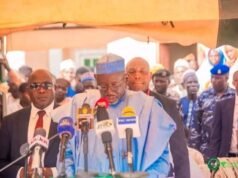
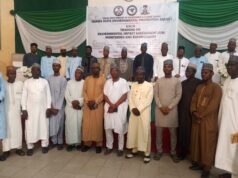
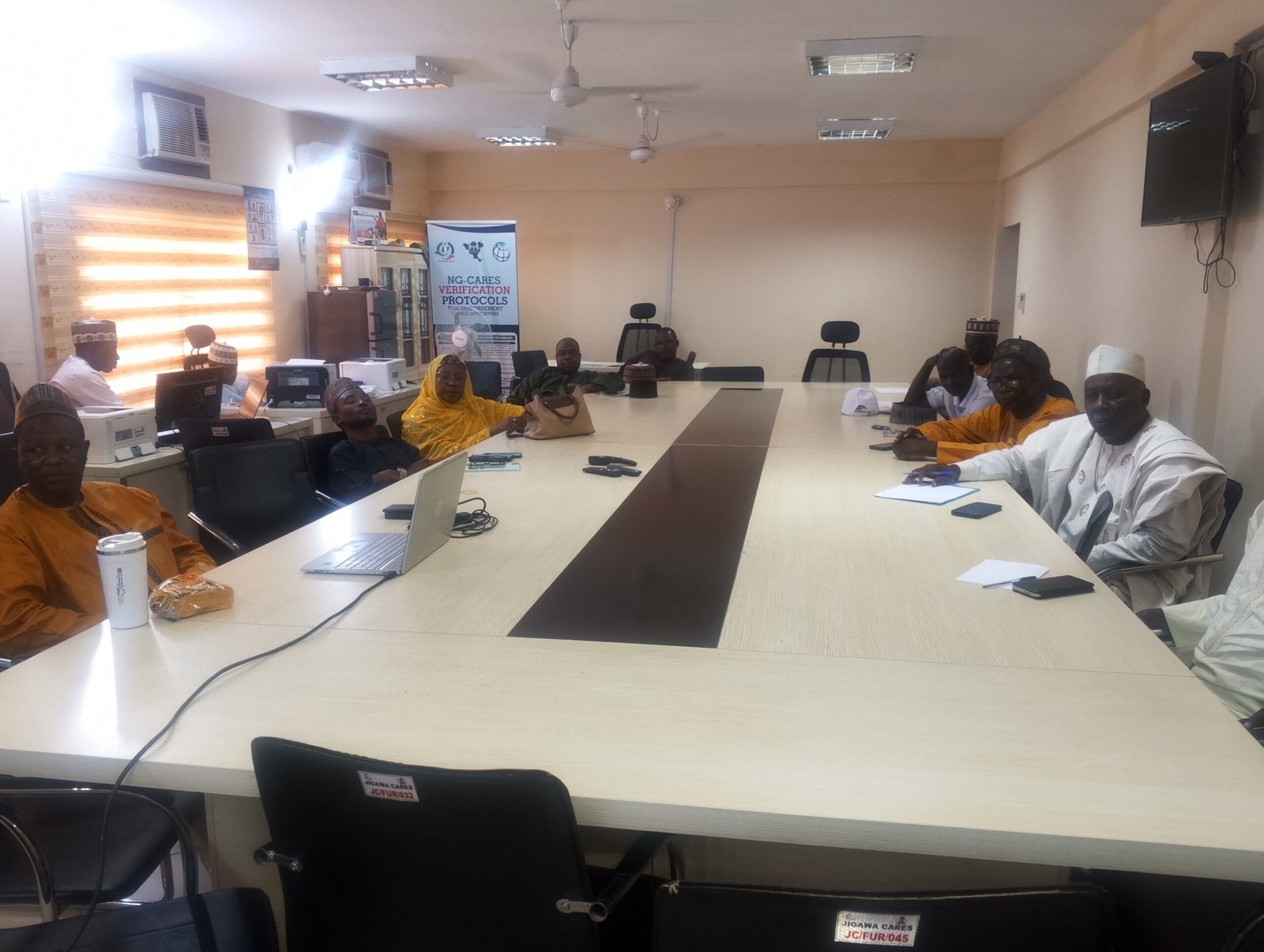
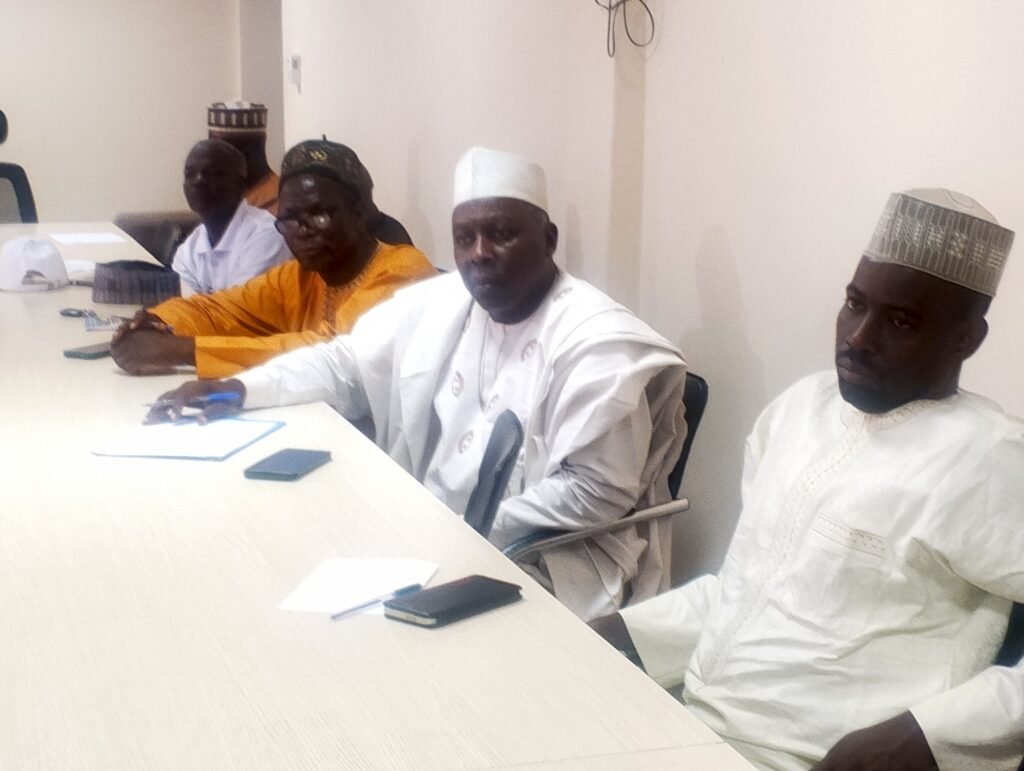
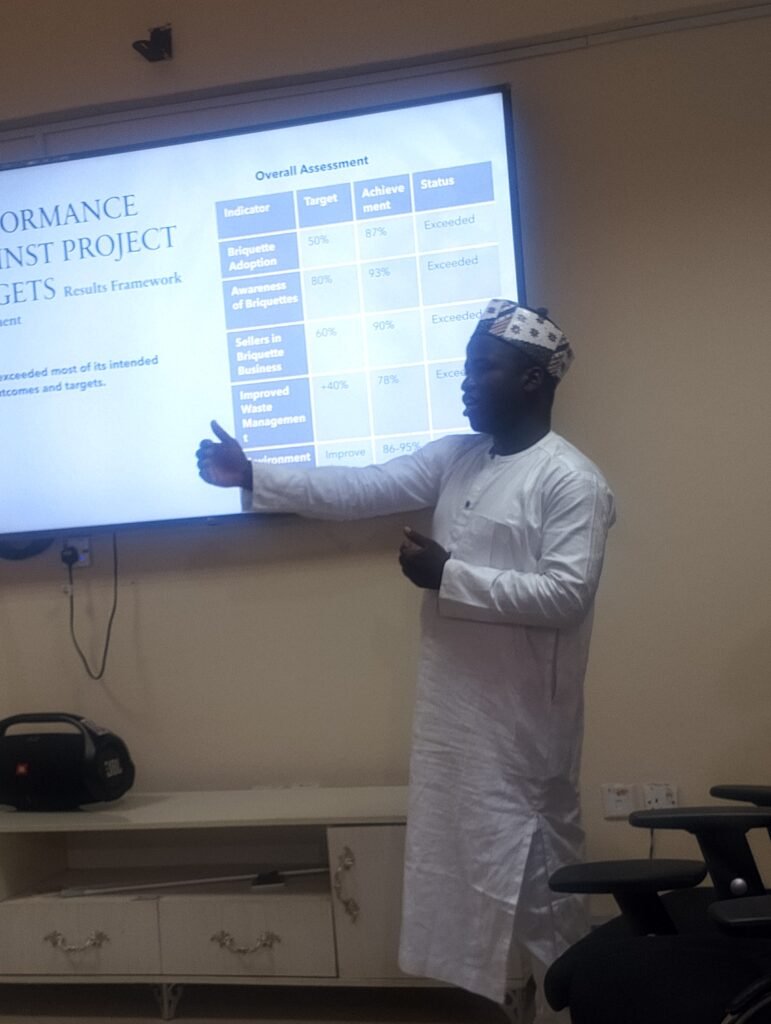
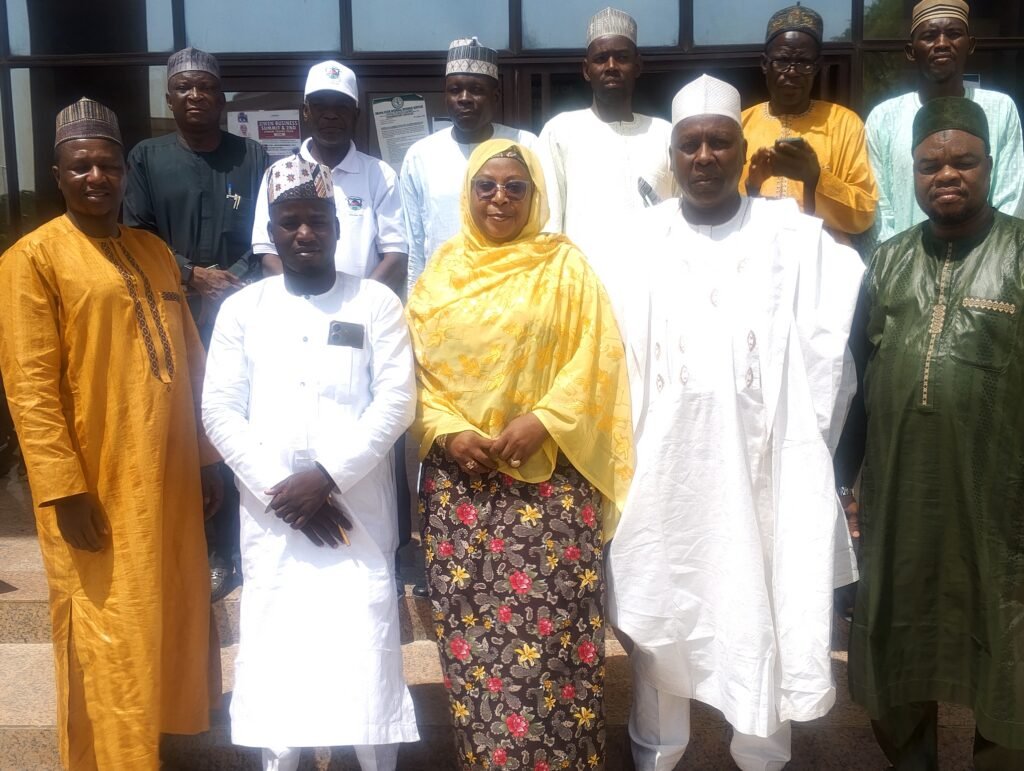
Speaking during a stakeholders’ engagement and toolkit dissemination workshop in Dutse, Project Manager and Executive Director of the initiative, Isah Mustapha, disclosed that the pilot phase of the project had been completed successfully in six communities across three local government areas.
According to him, the project converts agricultural waste into environmentally friendly briquettes and clean cookstoves, helping to reduce the alarming rate of tree felling and environmental degradation across the state.
“We have developed a practical toolkit that provides a step-by-step guide for establishing briquette production centres, training beneficiaries and ensuring sustainability. The document is being shared with stakeholders to encourage large-scale replication across Jigawa State,” Mustapha said.
He revealed that the state government has already shown strong commitment to sustaining the initiative through various ministries.
The Ministry for Local Government and Community Development, he said, plans to establish additional centres across local government areas, while the Ministry of Power and Energy has made provisions to support briquette production projects through its budget.
Similarly, the Ministry of Women Affairs is expected to integrate briquette and clean cookstove production into its women empowerment centres.
Mustapha explained that the long-term target is to establish at least one production centre in each of the 287 political wards in Jigawa State.
Tackling Three Major Challenges
The project is simultaneously addressing environmental degradation, energy poverty and unemployment.
Survey findings from the pilot communities showed that nearly 90 per cent of households depend on firewood and charcoal for cooking, contributing significantly to deforestation and climate-related challenges.
“The initiative is providing solutions to environmental problems while creating income-generating opportunities for vulnerable groups,” he noted.
A total of 120 direct beneficiaries were trained and equipped under the pilot programme. Women accounted for 70 per cent of participants, while youths and persons living with disabilities made up 15 per cent each.
Beneficiaries received production equipment, technical training and seed capital to launch their businesses.
Profits Already Rolling In
Evidence of the project’s success is already emerging from participating communities.
According to Mustapha, some centres have recorded remarkable sales within weeks of commencing production.
“In one of the communities, beneficiaries generated over N500,000 in sales within less than three weeks after receiving support. The demand for briquettes and clean cookstoves is growing rapidly,” he disclosed.
He added that the initiative is benefiting thousands of residents indirectly as more households embrace cleaner and cheaper cooking energy.
A Sustainable Future
With the rising cost of cooking gas, increasing scarcity of firewood and charcoal, and stricter environmental regulations against indiscriminate tree felling, stakeholders believe briquette production offers a viable and sustainable alternative.
Mustapha assured beneficiaries that his organisation would continue to provide technical guidance, supervision and monitoring even after the completion of the donor-funded project.
He expressed optimism that with increased public awareness, private investment and government backing, the initiative could become a major driver of environmental protection, clean energy adoption and economic empowerment across Jigawa State.
“The future is bright. Communities are already seeing the benefits and investors are showing interest. This is more than a project; it is a pathway to a greener and more prosperous Jigawa,” he said.