






By Ahmed Rufa’i, Dutse
The Jigawa State Stakeholders of Tax have called for urgent measures to address multiple taxation, harassment by tax officials and other challenges confronting taxpayers as part of efforts to improve revenue administration and restore public confidence in the tax system.
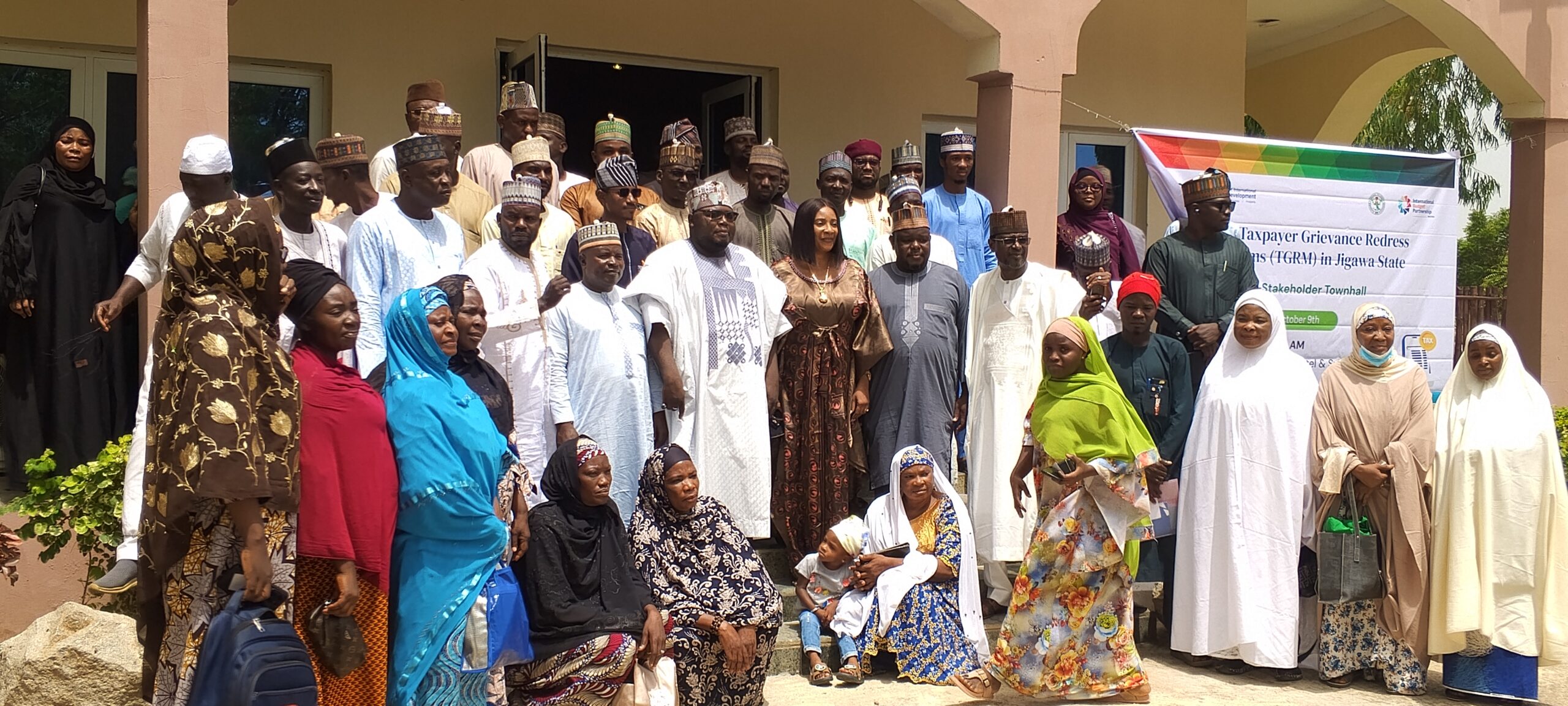
The call was made in a communiqué issued at the end of a five-day pilot implementation of the Taxpayer Grievance Redress Mechanism (TGRM), held from October 5 to 9, 2026, at M-TOWN Hotel, Dutse, the state capital.
The programme was organised by the International Budget Partnership (IBP) Nigeria, through the Partnership for Agile Governance and Climate Engagement (PACE), funded by UK International Development and implemented by (DAI), in collaboration with the Jigawa State Internal Revenue Service (JIRS).
The initiative, under the Strengthening Grievance Redress Mechanisms for Improved Revenue Governance Grant, seeks to protect taxpayers’ rights, promote administrative justice, improve transparency and accountability, and strengthen public confidence in tax administration.
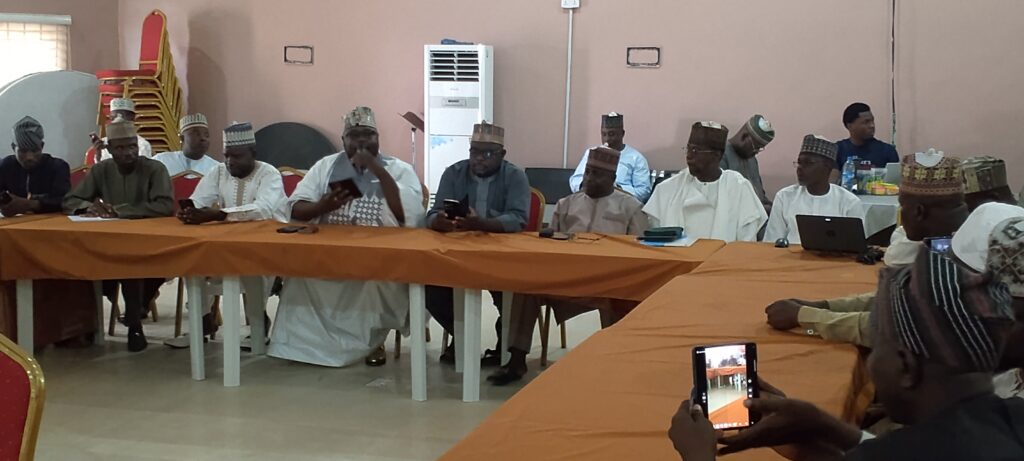
Participants used the pilot to test grievance-handling tools, assess institutional capacity and identify practical ways of resolving tax-related complaints in line with Nigeria’s 2025 Tax Reform Acts.
The communiqué stressed that effective tax administration must provide taxpayers with accessible and transparent channels to report complaints, track their cases and obtain timely resolutions without unnecessarily resorting to litigation.
The stakeholders identified multiple and double taxation, the implementation of Tax for Service (T4S), harassment by tax officials, difficulties in obtaining evidence of payment and inadequate tax education as major issues requiring attention.
They also highlighted manpower shortages and the lack of accessible grievance redress officers in rural communities as obstacles that could prevent taxpayers from seeking timely remedies.
To address the concerns, the participants urged JIRS to institutionalise the TGRM by designating responsible officers and establishing clear procedures for receiving, investigating, documenting and resolving complaints.
They said the mechanism should include standard timelines for acknowledging grievances, providing feedback and escalating unresolved cases to ensure transparency and accountability.
The communiqué called for intensified public education on tax obligations, taxpayers’ rights and available complaint channels, with civil society organisations (CSOs) playing a key role in community sensitisation and monitoring revenue authorities.
It also recommended regular training for tax officials and civil society representatives to improve grievance management, case documentation and engagement with taxpayers.
The stakeholders urged JIRS to ensure that the mechanism was accessible to women, persons with disabilities, small businesses and informal-sector operators, particularly those facing difficulties accessing tax information and administrative services.
They further called for regular consultations among the revenue service, CSOs, business associations, professional bodies, community leaders and relevant government institutions to address recurring complaints and improve service delivery.
The communiqué recommended a monitoring system to track complaints received, cases resolved, pending grievances, resolution timelines and taxpayer feedback, while ensuring the confidentiality of personal information.
It added that the state government and relevant institutions should provide the resources and leadership needed to sustain the mechanism and incorporate lessons from the pilot into routine tax administration.
The participants said an effective grievance redress system could encourage voluntary tax compliance, reduce avoidable disputes and improve public confidence in revenue collection.
They acknowledged the contributions of the Jigawa State Government, IBP Nigeria, PACE, JIRS, participating CSOs and other partners, urging them to sustain their collaboration to strengthen taxpayer services and revenue governance.