





Written By: Ahmed Rufa’i in Dutse
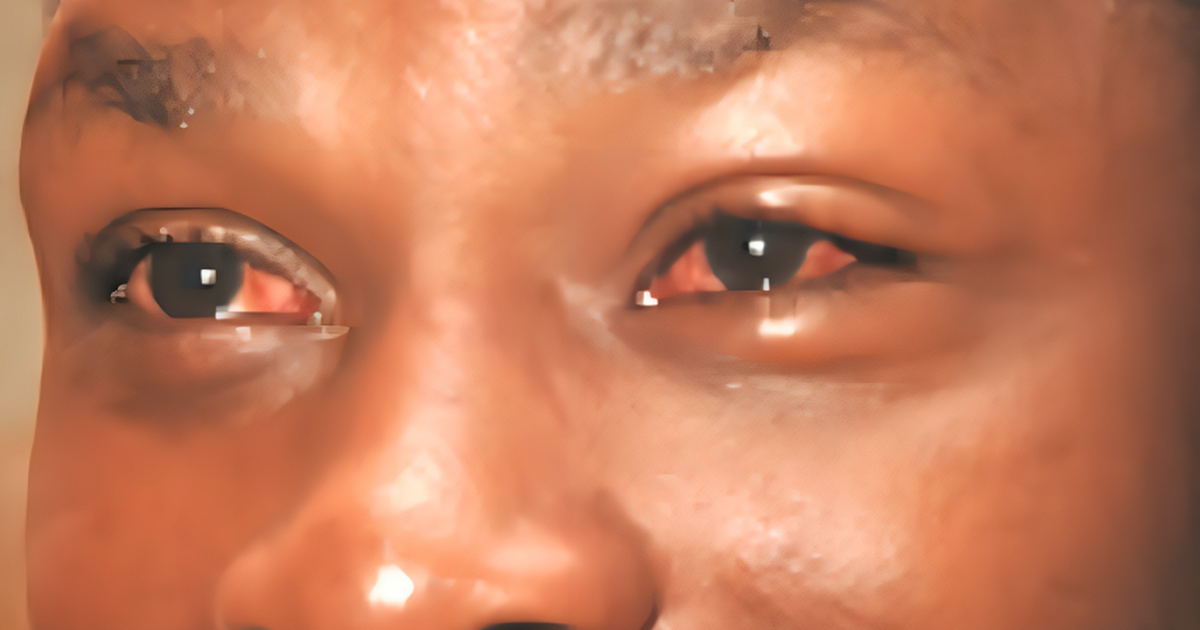
The Jigawa State Ministry of Health has raised the alarm over reported outbreaks of acute viral conjunctivitis, popularly known as Apollo, in some communities across the state.
The ministry has consequently directed schools, local government health authorities and health facilities to immediately intensify surveillance, prevention, early detection and treatment measures ahead of the resumption of schools on Monday.
The directive, issued by the Director of Public Health and Disease Control, Dr Abubakar D. Said Kanya, on behalf of the Commissioner for Health, called for a coordinated response to prevent further spread of the infection.
The ministry directed all schools to strengthen health education and sensitisation among students, teachers and other school personnel, with emphasis on practical measures to reduce transmission.

Students and staff were advised to wash their hands frequently with soap and clean water and avoid touching or rubbing their eyes, particularly with unwashed hands.
They were also warned against sharing towels, handkerchiefs, face towels, pillows, cosmetics, eye drops, medicines and other personal items.
The ministry urged schools to maintain good personal and environmental hygiene and regularly clean commonly touched surfaces.
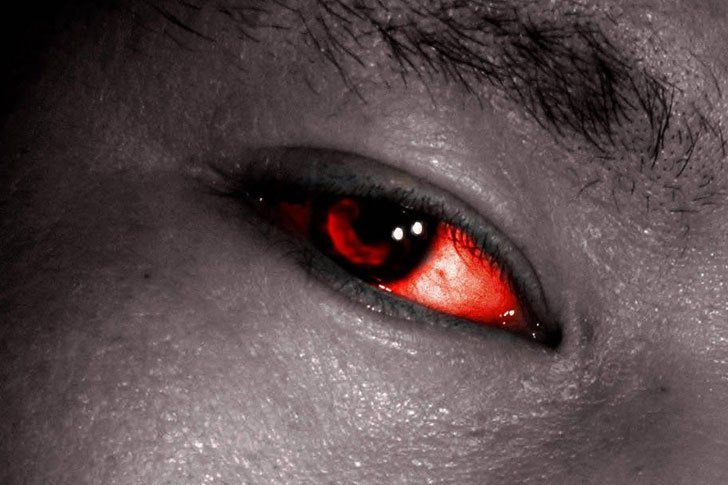
Students who develop symptoms, including red or infected eyes, were advised to immediately report to their teachers or school authorities and seek medical attention at the nearest health facility.
Schools were also advised to discourage close contact with people showing symptoms of the infection.
At the local government level, Primary Healthcare Managers and Heads of WASH Departments were directed to coordinate the response in collaboration with NTDs/Primary Eye Care Coordinators, Disease Surveillance and Notification Officers (DSNOs), Health Promotion Officers and relevant health facility personnel.
The teams are expected to conduct targeted sensitisation and active case identification in schools and affected communities, particularly in areas where cases have been reported.
DSNOs were directed to strengthen surveillance and promptly report suspected outbreaks and unusual increases in cases through established surveillance channels.
Schools were equally directed to notify relevant health authorities immediately when clusters of suspected cases are identified.
The Commissioner for Health also directed the immediate availability of basic essential medicines needed for the management of affected students.
Consequently, JiPHARMA was instructed to make supplies available at its headquarters in Dutse and three stores for onward distribution to the state’s 27 local government areas.
Deputy Directors in charge of Essential Drugs were directed to work with NTDs/Primary Eye Care Coordinators and DSNOs to prepare and submit medicine requests to the nearest JiPHARMA store or office.
The LGA teams are expected to ensure prompt requests for medicines, proper distribution to health facilities and referral of affected students to appropriate facilities for treatment.
They were also directed to maintain adequate medicine stocks in facilities serving schools in affected areas and monitor consumption and replenishment needs.
The ministry stressed that the response must be coordinated rather than implemented as separate activities.
It directed LGA Primary Healthcare Managers to provide overall leadership, while NTDs/Primary Eye Care Coordinators, DSNOs and Health Promotion Officers provide technical support.
The ministry identified the immediate priorities as: preventing transmission, detecting cases early, referring patients promptly, providing appropriate treatment, and ensuring effective reporting and monitoring.
It urged all relevant authorities to treat the directive as urgent, particularly with schools expected to reopen on Monday.