



Written By Ahmed Rufa’i in Dutse
The Jigawa Maternal Accountability Forum (JiMAF) has expressed concern over the slow implementation of the state’s 2026 health sector budget, warning that inadequate funding for critical programmes such as family planning, nutrition and malaria control could undermine efforts to reduce maternal, newborn and child mortality.
The Forum, a multi-stakeholder coalition comprising civil society organisations, health professionals, traditional and religious leaders, the media, development partners and government institutions, urged the Jigawa State Government to accelerate the release and utilisation of approved health sector funds to improve healthcare delivery across the state.
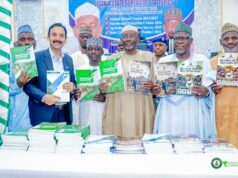
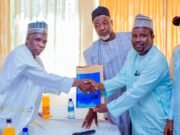
Speaking while presenting the Forum’s 2026 Second Quarter (Q2) Health Sector Budget Performance Review, JiMAF Co-Chair, Isah Mustapha, said the assessment was conducted with support from the Lafiya Programme as part of ongoing efforts to promote transparency, accountability and evidence-based dialogue in the health sector.
According to the report, the state approved about ₦80.15 billion for the health sector in the 2026 budget, but only ₦27.49 billion, representing 34.3 per cent, had been spent as of the end of June.

The Forum noted that personnel costs accounted for the bulk of the expenditure, while capital and other recurrent spending remained significantly below expectations.
It further disclosed that out of 98 capital projects approved across the health sector, only 28 projects had recorded any expenditure by the end of the second quarter, leaving the majority without financial implementation.
JiMAF warned that the slow pace of project execution could delay the delivery of critical health infrastructure and essential healthcare services to communities across the state.
The Forum expressed particular concern over the implementation of the Family Planning programme, revealing that despite an approved allocation of ₦500 million under the Jigawa State Primary Healthcare Development Agency (JSPHCDA), no expenditure was recorded in either the first or second quarter, representing zero per cent budget performance.
According to JiMAF, the failure to release the funds has contributed to prolonged stock-outs of contraceptive commodities in many public health facilities despite increasing demand for family planning services.
It warned that while public awareness and acceptance of family planning were improving, many women remained unable to access modern contraceptives, exposing them to unintended pregnancies and avoidable maternal health complications.
On nutrition, the Forum said it was equally disturbed that although ₦1.09 billion was appropriated for nutrition interventions in 2026 under the Primary Healthcare Development Agency, no expenditure had been recorded by the end of the second quarter.
The report stated that the delay threatens ongoing efforts to tackle childhood malnutrition, stunting, wasting, micronutrient deficiencies and maternal undernutrition across Jigawa State.
JiMAF stressed that nutrition during the first 1,000 days of a child’s life remains critical for healthy growth and development and called for the immediate implementation of approved nutrition programmes.
The Forum also identified malaria as one of the leading causes of illness and death among children under five and pregnant women in the state.
While acknowledging that malaria prevalence had declined from 39.6 per cent in 2013 to 24.7 per cent in 2024, JiMAF maintained that sustained investment was necessary to consolidate the gains already achieved.
It urged the government to increase funding for malaria prevention and control interventions, including procurement of essential commodities, distribution of insecticide-treated mosquito nets, Seasonal Malaria Chemoprevention (SMC), effective case management and intensified community awareness campaigns.
JiMAF called on the Ministry of Finance and Budget Planning to ensure timely, transparent and predictable release of funds for priority health programmes, while urging the Ministry of Health and the Jigawa State Primary Healthcare Development Agency to fast-track implementation of approved capital projects.
The Forum further recommended the immediate release of the approved family planning budget to end contraceptive shortages, accelerated implementation of nutrition interventions, sustained investment in malaria control programmes and the publication of quarterly budget release and expenditure reports to strengthen transparency and public accountability.
It also appealed to development partners and civil society organisations to sustain independent budget tracking and expenditure monitoring to ensure public resources are utilised for their intended purposes.
JiMAF reiterated that achieving meaningful reductions in maternal, newborn and child mortality requires not only budgetary allocations but also timely release of funds, efficient implementation, transparent expenditure reporting and sustained investment in essential health programmes.
The Forum pledged to continue engaging government, healthcare providers, development partners, the media and citizens to strengthen accountability, improve public financial management and advance universal access to quality healthcare in Jigawa State.